





Carpal Tunnel Syndrome
Numbness, tingling and weakness in the hand from pressure on the median nerve at the wrist.
Carpal tunnel syndrome is numbness, tingling and weakness in the hand caused by pressure on the median nerve as it passes through a narrow tunnel in the wrist. It usually affects the thumb, index, middle and part of the ring finger, and often worsens at night. Dr. Patel confirms it with an exam and nerve testing, then treats it with splinting, therapy, activity changes and, when needed, a guided injection.
- Where it isNerves & muscles
- Treatment options03
- Who you seeAnup H. Patel, D.O.
- First visitExam and imaging review
Carpal Tunnel Syndrome
The carpal tunnel is a narrow passage in the wrist, formed by the small wrist bones and a tough band of tissue across the top called the transverse carpal ligament. The median nerve runs through it from the forearm to the hand, along with nine tendons that bend the fingers. The median nerve gives feeling to the thumb and first three fingers and controls muscles at the base of the thumb.
When the tunnel gets tighter, or the tissue inside swells, the nerve gets squeezed. The result is tingling, numbness and sometimes electric shock-like feelings in the thumb and fingers. Symptoms often show up while holding a phone, a newspaper or a steering wheel, and they commonly wake people at night. Many people shake the hand to make the feeling go away.
Carpal tunnel syndrome often comes from a mix of factors rather than one cause. Repetitive wrist bending, vibrating tools, wrist fractures and arthritis can all play a part, as can diabetes, thyroid disease, kidney failure, rheumatoid arthritis, pregnancy and a naturally smaller tunnel. If pressure continues over time, numbness can become constant and the thumb muscles can weaken.
Dr. Patel examines the hand, wrist and neck, because a pinched nerve in the neck can cause similar symptoms. EMG and nerve conduction studies show whether the median nerve is slowed at the wrist and how severe the problem is. Most people start with a night splint, activity changes and therapy. A guided injection may help when symptoms persist. Severe cases with muscle weakness may need surgical release, and he will refer you when that is the right step.
What it feels like · Why it happens
Mention these at your first visit. It saves time and helps focus the exam.
- Prolonged or repetitive bending of the wrist at work or at home
- Work with vibrating tools
- Wrist fractures and dislocations
- Arthritis of the wrist, and inflammatory conditions such as rheumatoid arthritis that affect the wrist tendons
- A naturally smaller carpal tunnel from birth
- Diabetes and other chronic illnesses that damage nerves
- Fluid retention from pregnancy, kidney failure or lymphedema
- Thyroid disorders
- Obesity
 Where Dr. Patel looks
How Dr. Patel finds the source
Treatment only works when it is aimed at the right thing. This is how the source is confirmed.
- Step 01
A history of which fingers are affected, when symptoms happen and what work you do
- Step 02
Tapping over the nerve at the wrist (Tinel’s sign) and holding the wrist bent (Phalen’s test) to see if symptoms appear
- Step 03
Testing sensation, grip and thumb strength, and checking for muscle thinning
- Step 04
Examining the neck and elbow, since nerve problems there can cause similar symptoms
- Step 05
EMG and nerve conduction studies to confirm the diagnosis and grade severity
- Step 06
Ultrasound to look at the median nerve
- Step 07
X-rays or MRI when a fracture, arthritis or another cause is suspected
- Step 08
Blood tests for diabetes or thyroid disease when appropriate
Your path to relief
Care moves one step at a time, from the least invasive option up, and only as far as you need.
First-line care
- A wrist splint that keeps the wrist straight, mainly worn at night
- A relaxed grip during activities that involve repetitive wrist bending
- Short breaks to stretch and bend the hands and wrists between tasks
- Avoiding bending the wrist all the way up or down for long periods
- Keeping the keyboard at elbow height and the wrists in a neutral position
- Keeping the hands warm while working
- Hand therapy, including nerve and tendon gliding exercises
- Anti-inflammatory medication for short periods, when safe for you
- Managing related conditions such as diabetes or thyroid disease
Back to function
As a rehabilitation physician, Dr. Patel pairs every treatment with a plan to rebuild strength, movement and daily activity, so relief lasts.
Physical medicine & rehabilitation
Joint Injections
Medicine placed in or around a painful knee, hip, shoulder or other joint to ease pain and inflammation.
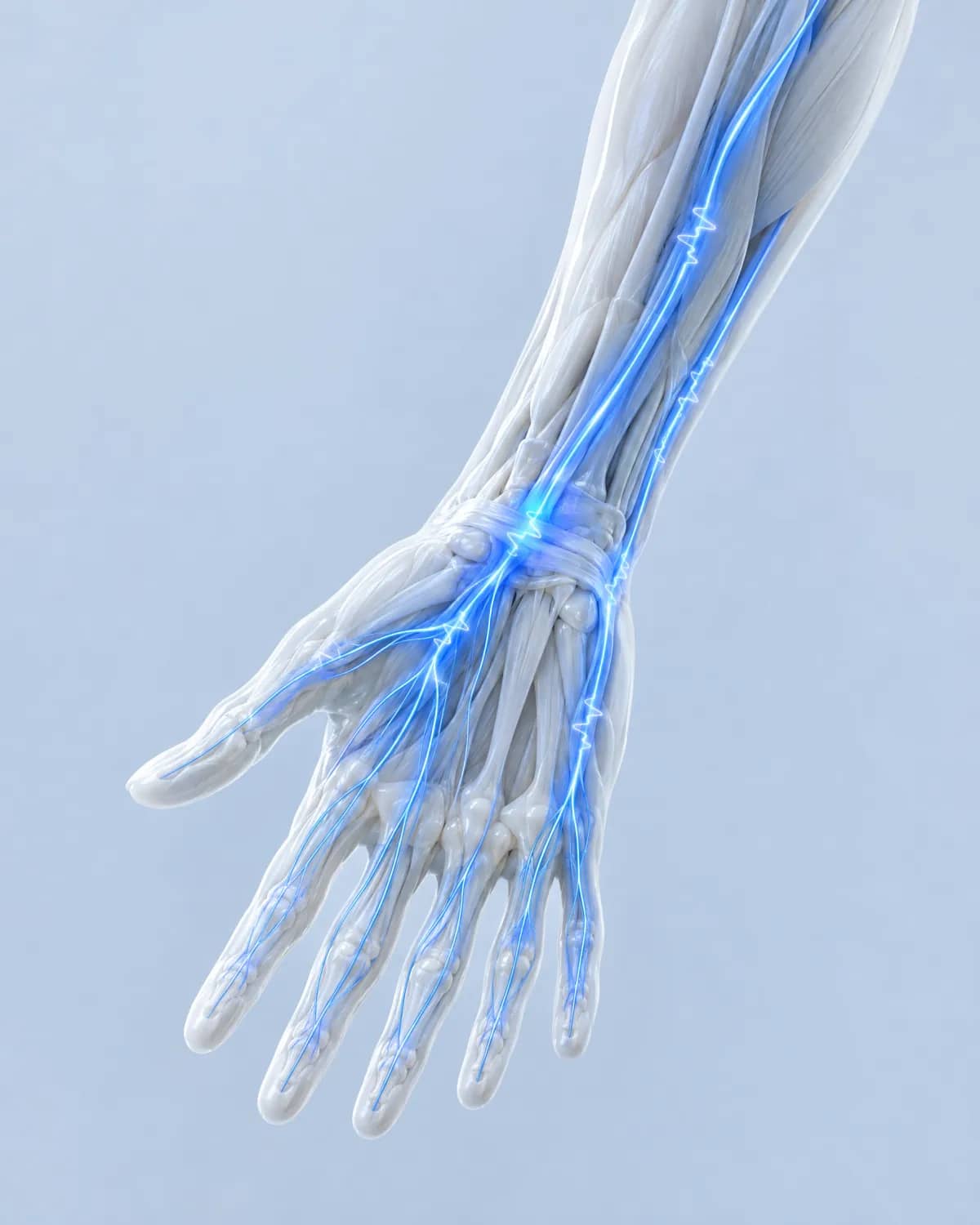
EMG and Nerve Conduction Studies
Tests of nerve and muscle function that find the source of numbness, tingling or weakness.
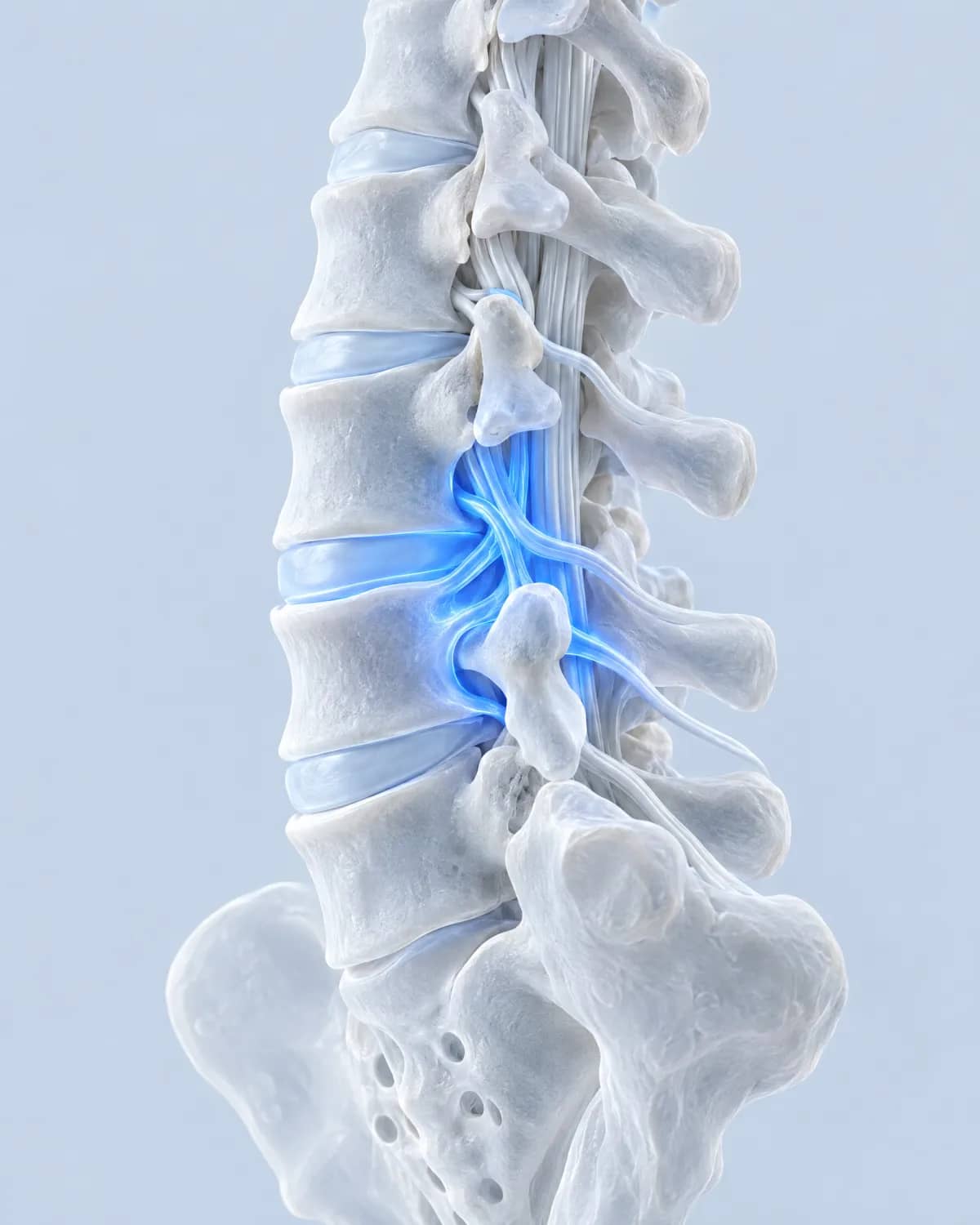
Epidural Steroid Injections
A steroid injection near irritated spinal nerves to calm pain that travels into the arm or leg.
When to call
When to see a specialist
- Numbness or tingling in the hand keeps coming back
- Symptoms wake you at night
- You drop things or have trouble with buttons and fine tasks
- Numbness has become constant
- Symptoms are in both hands, or come with neck pain
- Splinting and activity changes have not helped after a few weeks
Go to the emergency room if
- Sudden numbness or weakness in one arm or hand with facial droop, trouble speaking or confusion; call 911
- Severe pain, swelling or deformity of the wrist after a fall
Questions
Do I need a nerve test?
Does a wrist injection help carpal tunnel syndrome?
Will I need surgery?
Can a pinched nerve in the neck feel like carpal tunnel?
Is carpal tunnel syndrome caused by typing?
This page explains a condition or treatment in general. It is not a diagnosis or medical advice for you. Dr. Patel will explain what applies to you at your visit.

Nerves & muscles

Peripheral Neuropathy
Burning, tingling or numbness in the feet or hands from damaged nerves, often linked to diabetes.

Complex Regional Pain Syndrome (CRPS)
Severe burning pain, swelling and skin changes in an arm or leg, usually after an injury or surgery.

Myofascial Pain Syndrome
Ongoing muscle pain from tight, tender knots called trigger points, often in the neck, shoulders and back.